

CAMPING TARP
If you’re shopping for a camping tarp, you want one thing: reliable shelter that sets up fast and stays dry when the weather turns. After a decade in the rain and wind, I’ve learned that the right tarp earns its spot in your pack—whether you’re running a lean hammock setup, covering a camp kitchen, or building a bomber lean-to in gusts. At AquaQuest, our lineup covers every need: Defender for heavy-duty protection, Safari for do-everything durability, Guide for true ultralight missions, and Survivor for high-visibility safety. Expect waterproof materials, reinforced tie-outs, smart size options, and field-tested details that make setup simple. Browse the tarps below, then keep reading for sizing tips, pitch ideas, and which model fits your style best.


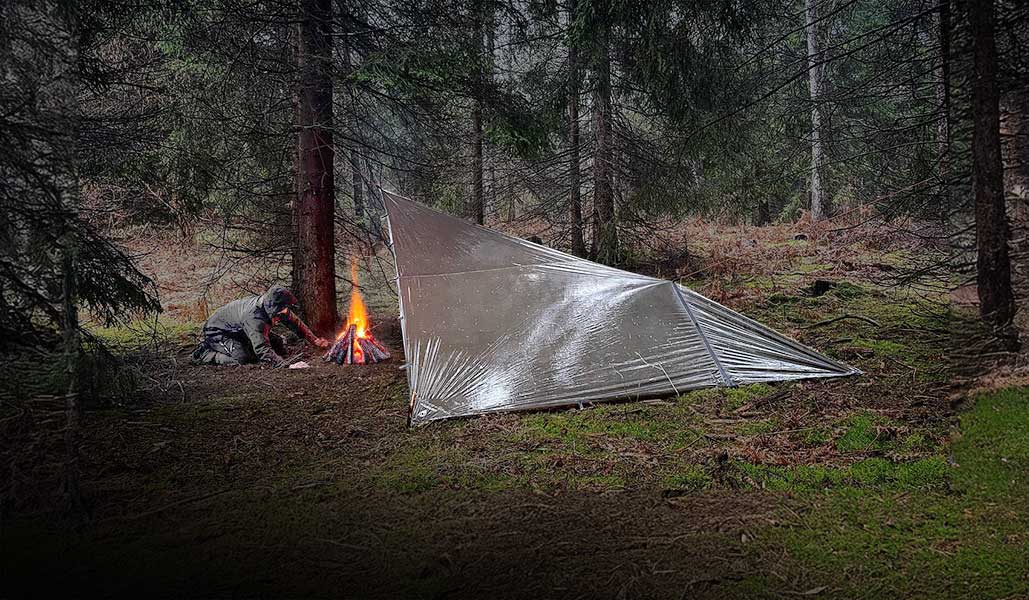
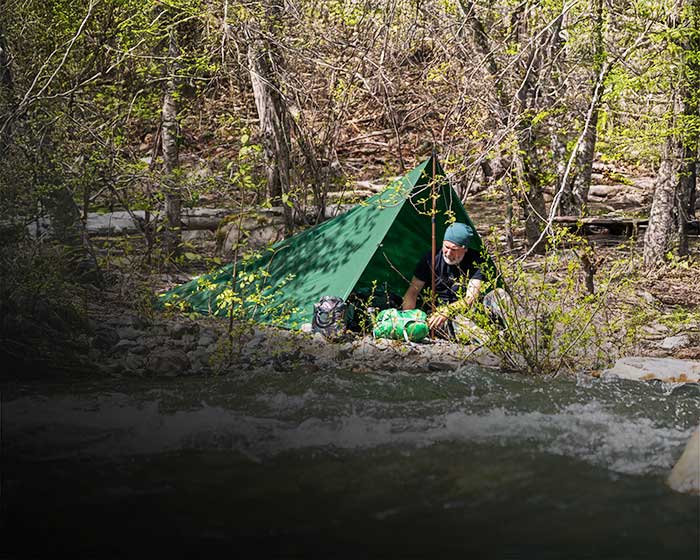


FIND THE RIGHT CAMPING TARP FOR YOUR TRIP
Short answer: match conditions and carry weight to the tarp’s material and size. Long answer: pick your model, then choose a size that covers your real use—solo sleep, hammock fly, cook shelter, or group hangout. Here’s how each
camping tarp earns its keep in the wild.


Heavy-Duty Confidence: Defender
Short answer: match conditions and carry weight to the tarp’s material and size. Long answer: pick your model, then choose a size that covers your real use—solo sleep, hammock fly, cook shelter, or group hangout. Here’s how each camping tarp earns its keep in the wild.


The Do-Everything Workhorse: Safari
For most campers, Safari is the sweet spot: durable 70D construction with dual waterproof coatings (around 5,000 mm) and rock-solid hardware. It’s light enough for backpacking, tough enough for repeated weekends, and versatile across classic tarp shapes: A-frame, lean-to, catenary ridgeline, porch mode. If you want one tarp to handle three-season camp life without babying it, this is it.


Ultralight Without the Fuss: Guide
Counting ounces? Guide trims weight with 40D ripstop nylon (~5,000 mm waterproofing) while keeping the pitch options you need. It’s a favorite for fast-and-light hikers, bikepackers, and anyone who wants real shelter at under a pound (10×7). Use it as a hammock fly, a quick ridgeline lunch shelter, or a minimalist overnight cover. Pack volume stays tiny; morale stays high when the sky opens.


Be Seen, Stay Safe: Survivor (High-Visibility)
When visibility matters—search areas, shoulder seasons, shared backcountry zones—the Survivor builds on Safari’s midweight durability with high-visibility colors. It doubles as a signal panel and shelter, useful for roadside bivvies, paddling trips, and larger group sites. For teams, scouts, and safety-first trips, bright coverage can make all the difference.


Size Guide: Solo Shade to Group Coverage
Choosing the right camping tarp size matters: too small causes edge drip and splashback; too large can be slow to tension. Use this quick rule of thumb:
- Solo sleep / hammock fly: 10×7 to 10×10
- Two people + gear / cook area: 10×10 to 13×10
- Group shelter / camp kitchen / rainy basecamp: 15×15 to 20×13 (XL)
Defender and Guide span from compact 10×7 up to 20×13 XL (≈244 ft²); Survivor offers 10×10 and 15×15 for high-vis coverage. Pick the smallest size that fully covers your sleep area + 18–24 in. drip edge on all sides, or step up one size if you expect wind.


Pitch Versatility: Faster Setups, Better Nights
All camping tarps here include reinforced tie-outs to handle low, storm-ready profiles or airy porch modes. Field-tested favorites
- Lean-to / windward wall: great with Defender in gusts; blocks wind and rain blow-through.
- A-frame / ridgeline: classic balance of speed, headroom, and runoff.
- Hammock fly: pair Guide with a 11–12 ft ridgeline for diagonal sleep and full coverage.
- Porch mode: lift one edge for cooking and social time in steady rain.
Pro tip: pre-tie guyline loops at home and carry 6–8 lightweight stakes or split-rings; your on-trail pitch time drops to minutes.


Waterproofing That Matters in the Real World
Numbers are helpful; dry socks are better. Defender’s ~20,000 mm spec shrugs off wind-driven rain and splash. Safari and Guide’s ~5,000 mm coatings hold steady in sustained Pacific Northwest-style showers when tensioned correctly. Keep panels taut, use steeper angles in heavy rain, and re-tension once after fabric relaxes.


Durability & Maintenance: Make It Last
- Materials: Defender (70D) = long-haul abuse; Safari (70D) = tough all-rounder; Guide (40D) = ultralight done right; Survivor = Safari’s shell + high-vis finish.
- Reinforcements: bar-tacked corners and webbing tie-outs resist point stress.
- Care: shake dry, pack loose when you can, and spot-clean.
Repair: carry sil-nylon tape or seam sealer; small patches last for seasons.
Not Sure Which Tarp to Choose?
Start with the Size Guide above or message us—tell us your shelter style, group size, and expected weather and we’ll recommend a setup in minutes.


Related Collections (Helpful for Your Use-Case)
Explore intent-specific options for faster decision-making:
- bushcraft camping tarps — heavier materials, storm-ready pitches, earth-tone colors.
- waterproof tarps] — waterproof tarps
- ultralight camping tarps] — gram-count setups for fastpacking and long miles.
- high-visibility survival tarps — signaling and safety-led trips.
FAQ
What’s the difference between Defender, Safari, Guide, and Survivor?
What’s the difference between Defender, Safari, Guide, and Survivor?
- Defender: heavy-duty with 20,000 mm waterproof rating for rough weather and long service life.
- Safari: midweight 70D with dual coatings (5,000 mm) for do-everything durability.
- Guide: ultralight 40D with ~5,000 mm waterproofing for minimal pack weight.
What size camping tarp should I choose?
What size camping tarp should I choose?
Solo/hammock: 10×7 to 10×10.
Two people/cook area: 10×10 to 13×10.
Group/XL shelter: 15×15 to 20×13.
If you expect wind or all-day rain, size up for better drip edges and tighter pitches.
Can these tarps handle heavy rain and wind?
Can these tarps handle heavy rain and wind?
Yes. Pitch with good angles, keep panels tensioned, and use all corner tie-outs (plus mid-panel points if available). Defender excels in storms; Safari/Guide are reliable in sustained rain when pitched correctly.
What’s included?
What’s included?
Tarp + stuff sack. Use your preferred poles, stakes, and cordage to rig your way.
